
Insulin Resistance in Women: The Complete Guide to Weight Loss, Muscle Building, and Body Recomposition

Women's Health • Fitness • Nutrition • Metabolic Health

If you are a woman struggling with stubborn belly fat, weight gain, low energy, or difficulty managing your blood sugar, you may have heard about insulin resistance. But what does it actually mean, and how can you improve your body composition while supporting your metabolic health?
The good news is that you do not need extreme diets, endless cardio sessions, or complicated fitness routines to make progress. A combination of balanced nutrition, resistance training, regular physical activity, and healthy lifestyle habits can help improve insulin sensitivity and support long-term health.
In this comprehensive guide, you will learn how insulin resistance works, how to build muscle, how to manage body fat, and how to follow a practical 12-week fitness and nutrition plan designed for women.
Key Takeaways
- Insulin resistance occurs when the body's cells respond less effectively to insulin.
- Strength training helps muscles use glucose and can improve insulin sensitivity.
- Eating enough protein and fiber supports muscle growth and better meal balance.
- Walking after meals may help reduce post-meal blood glucose spikes.
- Weight loss is not the only measure of progress; strength, waist measurements, and metabolic markers also matter.
- Consistent sleep and stress management are important parts of metabolic health.
- 1. Understanding Insulin Resistance in Women
- 2. Common Signs and Risk Factors
- 3. Insulin Resistance and Belly Fat
- 4. Why Building Muscle Matters
- 5. The 12-Week Workout Plan
- 6. Cardio and Walking
- 7. Nutrition for Insulin Resistance
- 8. A Sample 7-Day Meal Plan
- 9. Lifestyle Habits for Better Insulin Sensitivity
- 10. Common Mistakes to Avoid
- 11. How to Track Your Progress
- 12. Frequently Asked Questions
1. Understanding Insulin Resistance in Women
Insulin is a hormone produced by the pancreas. Its main job is to help glucose (sugar) move from the bloodstream into cells, where it can be used for energy or stored for later.
When someone develops insulin resistance, their cells do not respond to insulin as effectively as they should. The pancreas may compensate by producing more insulin to help maintain blood glucose levels.
Over time, insulin resistance can contribute to elevated blood sugar and increase the risk of developing prediabetes and type 2 diabetes.

What Causes Insulin Resistance?
Insulin resistance usually develops through a combination of genetic, biological, and lifestyle factors. Possible contributors include:
- Excess body fat, especially around the abdomen.
- Low levels of physical activity.
- Genetic and family history factors.
- Poor sleep quality or chronic sleep deprivation.
- Some hormonal conditions, including polycystic ovary syndrome (PCOS).
- Certain medications and other medical conditions.
It is important to understand that insulin resistance can affect women of different body sizes. A woman can have insulin resistance even if she does not have obesity.
2. Common Signs and Risk Factors
Insulin resistance does not always cause obvious symptoms. Many people discover it through blood tests or during a medical evaluation.
Some associated signs and conditions may include:
- Increased waist circumference.
- Dark, velvety skin patches around the neck, armpits, or groin (acanthosis nigricans).
- Elevated blood glucose or abnormal cholesterol and triglyceride levels.
- High blood pressure.
- Irregular menstrual cycles in some women, particularly when PCOS is also present.
3. Insulin Resistance and Belly Fat
Many women associate insulin resistance with stubborn belly fat. There is a relationship between insulin resistance, excess abdominal fat, and metabolic health, but the relationship is complex.
Excess visceral fat, which surrounds internal organs, is particularly associated with metabolic problems. However, you cannot choose where your body loses fat first.
Can You Specifically Burn Belly Fat?
No exercise can selectively remove fat from the stomach. Abdominal exercises strengthen your core muscles, but overall fat loss depends on factors such as nutrition, physical activity, genetics, hormones, and energy balance.
A realistic approach includes:
- Creating a moderate calorie deficit when weight loss is appropriate.
- Eating protein-rich meals.
- Increasing daily movement.
- Following a consistent strength-training routine.
- Getting enough sleep.
4. Why Building Muscle Matters for Insulin Sensitivity

Muscles are important for glucose metabolism. During physical activity, working muscles can take up glucose to help meet their energy needs.
Resistance training also helps increase or maintain muscle mass. Over time, this can support better insulin sensitivity, physical strength, and overall health.
Benefits of Strength Training
- Supports glucose uptake by working muscles.
- Helps maintain and build lean muscle mass.
- Improves physical strength and fitness.
- Supports bone health.
- Can improve body composition over time.
You do not need to lift extremely heavy weights. Beginners can start with manageable resistance, learn proper technique, and gradually increase the challenge.
5. The 12-Week Workout Plan for Women with Insulin Resistance
This program combines resistance training, moderate cardio, and recovery. It is designed to be adaptable for beginners and intermediate exercisers.
Weekly Training Schedule
| Day | Workout |
|---|---|
| Monday | Lower Body and Glutes |
| Tuesday | Upper Body |
| Wednesday | Walking and Active Recovery |
| Thursday | Full Body Strength |
| Friday | Rest or Gentle Walking |
| Saturday | Low-Impact Cardio and Core |
| Sunday | Rest and Recovery |
Strength Workout #1: Legs and Glutes
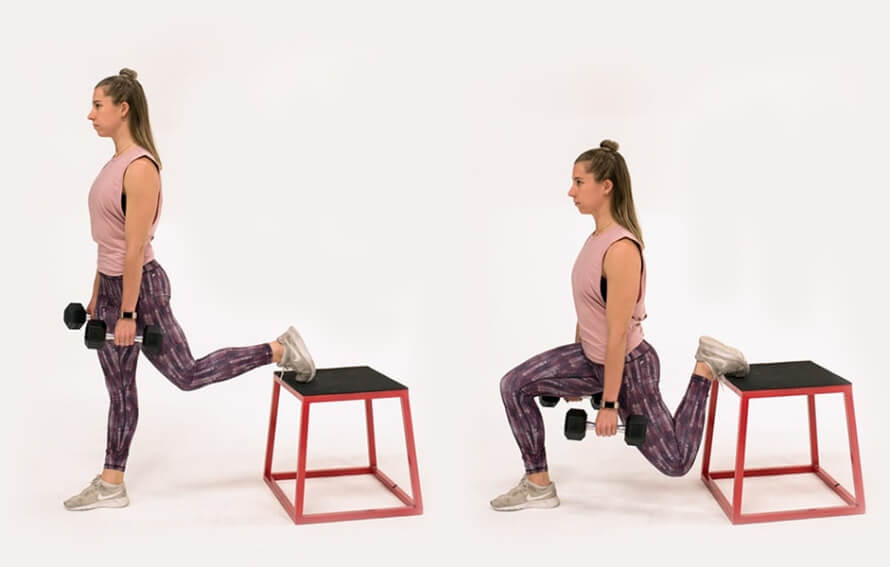
3 sets | 10–12 repetitions | Rest: 90 seconds
Hold a dumbbell close to your chest, lower your hips while keeping your chest upright, and push through your feet to stand.
3 sets | 10–12 repetitions | Rest: 90 seconds
Hold dumbbells in front of your thighs, move your hips backward, lower the weights while maintaining a neutral back, and return to standing.
3 sets | 10–12 repetitions | Rest: 90 seconds
Rest your upper back against a bench, place your feet firmly on the floor, and raise your hips by squeezing your glutes.
2 sets | 10 repetitions per leg | Rest: 60–90 seconds
Step backward, lower your body under control, and push through the front foot to return to the starting position.
Strength Workout #2: Upper Body

3 sets | 8–12 repetitions | Rest: 90 seconds
Press the dumbbells upward from an inclined bench and lower them slowly toward your chest.
3 sets | 10–12 repetitions | Rest: 90 seconds
Pull the bar toward your upper chest while keeping your torso stable.
2 sets | 10–12 repetitions | Rest: 90 seconds
Press the dumbbells overhead without arching your lower back.
3 sets | 10–12 repetitions | Rest: 90 seconds
Pull the dumbbell toward your hip while keeping your back neutral.
Strength Workout #3: Full Body

3 sets | 10–12 repetitions
3 sets | 10–12 repetitions
3 sets | 10–12 repetitions
2 sets | 12–15 repetitions
2 sets | 15–30 seconds
Beginner tip: Start with two sets per exercise if three sets feel too difficult. Prioritize technique and consistency before increasing the weight.
How to Progress Over 12 Weeks
| Phase | Weeks | Main Goal |
|---|---|---|
| Phase 1 | 1–4 | Learn technique and build consistency. |
| Phase 2 | 5–8 | Gradually increase resistance or repetitions. |
| Phase 3 | 9–12 | Improve strength and maintain consistent training. |
Increase the weight only when you can complete your repetitions with good form. Leave a little energy in reserve rather than training to failure in every set.
6. Cardio and Walking for Better Glucose Management
Cardio complements resistance training by improving cardiovascular fitness and increasing daily energy expenditure.
Recommended Cardio Activities
- Brisk walking.
- Cycling.
- Swimming.
- Elliptical training.
- Low-impact aerobic exercises.
Walking After Meals
A short walk after eating can help your muscles use glucose and may reduce the rise in blood sugar after meals.
Start with 10–15 minutes of comfortable walking after one or more meals, if your schedule and health allow.
How Much Cardio Should You Do?
For many adults, a useful long-term target is at least 150 minutes of moderate-intensity aerobic activity per week, alongside strength training at least twice weekly. Beginners should build up gradually.
7. Nutrition for Women with Insulin Resistance

Nutrition is one of the most important parts of managing insulin resistance. However, there is no single diet that works for every woman.
The goal is to build balanced meals that support blood glucose management, provide enough nutrients, and make it easier to maintain a healthy weight.
1. Prioritize Protein
Protein helps maintain and build muscle, supports recovery, and can make meals more satisfying.
Good protein sources include:
- Eggs.
- Chicken and turkey.
- Fish and tuna.
- Plain Greek yogurt.
- Beans, lentils, and chickpeas.
- Tofu and other soy foods.
2. Choose Fiber-Rich Carbohydrates
Carbohydrates do not need to be eliminated. Instead, focus on higher-fiber options and reasonable portions.
- Oats.
- Beans and lentils.
- Brown rice.
- Whole-grain bread.
- Vegetables.
- Whole fruits.
3. Include Healthy Fats
Healthy fats are important for overall health and help make meals satisfying.
- Olive oil.
- Avocados.
- Almonds and walnuts.
- Seeds such as chia and flaxseed.
- Fatty fish.
4. Foods and Drinks to Limit
- Sugary soft drinks.
- Frequent sweets and desserts.
- Large amounts of refined carbohydrates.
- Highly processed snack foods.
- Frequent meals that are low in fiber and protein.
You do not have to completely avoid every food you enjoy. Consistency and overall dietary quality matter more than perfection.
The Balanced Plate Method
| Plate Section | Food Examples |
|---|---|
| ½ plate | Non-starchy vegetables such as broccoli, spinach, cucumber, and salad. |
| ¼ plate | Protein such as chicken, fish, eggs, or beans. |
| ¼ plate | High-fiber carbohydrates such as brown rice, potatoes, or whole grains. |
| Additional portion | Healthy fats such as olive oil, nuts, or avocado. |
8. Sample 7-Day Meal Plan for Insulin Resistance
The following is an example of a balanced meal plan. Portions should be adjusted according to your calorie needs, activity level, preferences, and medical advice.
| Day | Breakfast | Lunch | Dinner |
|---|---|---|---|
| Monday | Oats, plain yogurt, berries, and nuts | Grilled chicken, brown rice, and vegetables | Vegetable omelet and whole-grain bread |
| Tuesday | Boiled eggs, whole-grain toast, and cucumber | Lentil soup, salad, and plain yogurt | Grilled fish, potatoes, and broccoli |
| Wednesday | Plain Greek yogurt, oats, and apple | Chicken, quinoa, and mixed vegetables | Chickpea salad with olive oil |
| Thursday | Eggs, whole-grain bread, and tomato | Tuna salad with potatoes and vegetables | Lentils with vegetables and yogurt |
| Friday | Oatmeal with milk and nuts | Grilled turkey, brown rice, and salad | Vegetable soup and boiled eggs |
| Saturday | Plain yogurt, fruit, and almonds | Fish, sweet potatoes, and vegetables | Chicken salad with whole-grain bread |
| Sunday | Vegetable omelet and whole-grain toast | Chickpeas, grilled chicken, and salad | Vegetable soup, tuna, and yogurt |
This is a general meal example, not an individualized medical nutrition prescription. Women using insulin or glucose-lowering medications may need adjustments to meal timing and carbohydrate intake with their healthcare team.
9. Lifestyle Habits That Support Insulin Sensitivity
1. Get Enough Sleep
Sleep is essential for hormonal regulation, recovery, and metabolic health. Most adults should aim for approximately 7–9 hours of sleep each night.
2. Manage Stress
Chronic stress can affect sleep, appetite, and blood glucose regulation. Try walking, breathing exercises, stretching, or other relaxing activities.
3. Stay Consistently Active
Long periods of sitting can reduce daily movement. Take short walking breaks, use stairs when appropriate, and find opportunities to move throughout the day.
4. Stay Hydrated
Water should be your main everyday drink. Replace sugary beverages with water or unsweetened alternatives whenever possible.
10. Common Mistakes Women with Insulin Resistance Should Avoid
- Eliminating all carbohydrates: This is usually unnecessary and can make eating difficult to sustain.
- Skipping meals without a plan: This can make it harder to meet nutritional needs and manage hunger.
- Doing only cardio: Resistance training is also important for muscle and metabolic health.
- Expecting fast results: Body composition and metabolic improvements take time.
- Following extreme calorie restrictions: Very restrictive diets may increase fatigue and make muscle maintenance harder.
- Ignoring medical care: Lifestyle changes are valuable, but they do not replace appropriate diagnosis, monitoring, or treatment.
- Buying unnecessary supplements: No supplement is a substitute for a balanced diet, exercise, or prescribed medication.
11. How to Track Your Progress
Your progress should not be judged by the scale alone. Body recomposition can involve losing fat while maintaining or gaining muscle, meaning your weight may change slowly.
Consider tracking:
- Waist circumference once every 2–4 weeks.
- Strength improvements in the gym.
- How your clothes fit.
- Energy levels and exercise performance.
- Blood pressure when recommended.
- Blood glucose and HbA1c when recommended by your healthcare professional.
12. Frequently Asked Questions
1. Can women with insulin resistance lose weight?
Yes. A sustainable nutrition plan, regular physical activity, adequate sleep, and appropriate medical support can help women manage weight and improve metabolic health.
2. Is strength training good for insulin resistance?
Yes. Resistance training helps muscles use glucose and can improve insulin sensitivity. It also helps maintain or build lean muscle mass.
3. Should women with insulin resistance stop eating carbohydrates?
No. Most women do not need to eliminate carbohydrates. Choosing fiber-rich foods, controlling portions, and combining carbohydrates with protein and healthy fats can support balanced meals.
4. Does insulin resistance always cause belly fat?
No. Insulin resistance can occur in women with different body shapes and sizes. Abdominal fat is one possible associated factor, but it is not present in every case.
5. Can walking after meals help?
Yes. A short walk after meals can help muscles use glucose and may reduce post-meal blood glucose levels.
6. How long does it take to improve insulin sensitivity?
There is no fixed timeline. Some changes in glucose regulation can occur relatively quickly with physical activity, while longer-term changes in fitness, body composition, and metabolic health may take several months.
7. Can women with PCOS also have insulin resistance?
Yes. Insulin resistance is common in women with polycystic ovary syndrome (PCOS), although not every woman with PCOS has it. Medical evaluation can help determine the appropriate treatment.
8. Do I need supplements to improve insulin resistance?
No. Supplements are not essential for everyone. Any supplement should be discussed with a qualified healthcare professional, especially if you take medication or have an existing medical condition.
Final Thoughts: Build a Stronger and Healthier Body
Managing insulin resistance is not about following a perfect diet or spending hours in the gym. It is about developing habits that support your health over time.
Focus on balanced meals, adequate protein, fiber-rich foods, regular strength training, daily walking, quality sleep, and appropriate medical care.
Start with small changes, stay consistent, and give your body time to adapt. Your goal should be more than weight loss: build strength, support metabolic health, and create a lifestyle you can maintain for years.
Article category: Women's Fitness | Insulin Resistance | Weight Management | Strength Training



0 Comments