
Body Recomposition for Women: Lose Fat and Build Muscle at the Same Time
Discover how to reduce body fat, build lean muscle, improve your strength, and create a healthier, stronger body through balanced nutrition and effective workouts.

Many women believe they must choose between losing weight and building muscle. However, there is another approach that focuses on improving body composition rather than simply reducing the number on the scale.
This approach is called body recomposition. It combines resistance training, balanced nutrition, sufficient protein, and recovery to help reduce body fat while building or maintaining muscle.
Whether you are new to fitness, returning to the gym, or looking to improve your current physique, this guide explains how to approach body recomposition safely and effectively.
- What body recomposition means.
- How to lose fat while building muscle.
- How many calories and how much protein you need.
- The best strength training strategies for women.
- How to measure progress beyond body weight.
- Common mistakes that can slow your results.
1. What Is Body Recomposition?
Body recomposition is the process of improving the proportion of fat mass and lean mass in your body. The goal is to reduce excess body fat while building or preserving muscle tissue.
Unlike traditional weight-loss programs, body recomposition does not focus entirely on losing kilograms. Instead, it focuses on improving your strength, muscle development, measurements, and overall appearance.
How Does Body Recomposition Work?
- Fat reduction: Your body uses stored energy to support its daily activities and exercise.
- Muscle development: Resistance training stimulates muscle growth when combined with sufficient nutrition and recovery.
- Improved body composition: Over time, you may become stronger and leaner even if your total body weight changes very little.
2. Understanding Calories: Deficit or Maintenance?
Your calorie intake plays an important role in body recomposition. The right approach depends on your current body composition, training experience, and goals.
Option 1: A Small Calorie Deficit
A moderate calorie deficit means consuming slightly fewer calories than your body uses each day. This can help reduce body fat while resistance training and adequate protein help preserve or develop muscle.
A starting deficit of approximately 5–15% below maintenance may be appropriate for some women, especially those with higher body fat levels.
Option 2: Maintenance Calories
Maintenance calories are the amount of energy your body needs to maintain its current weight.
This approach can work well for beginners and women returning to exercise who want to improve muscle development and body composition without actively pursuing weight loss.
Why Extreme Dieting Is Not Recommended
- It can make workouts more difficult.
- It may increase fatigue and hunger.
- It can make muscle recovery harder.
- It may increase the risk of losing muscle mass.
- It can negatively affect menstrual health when energy intake becomes too low.
3. Progressive Strength Training for Women
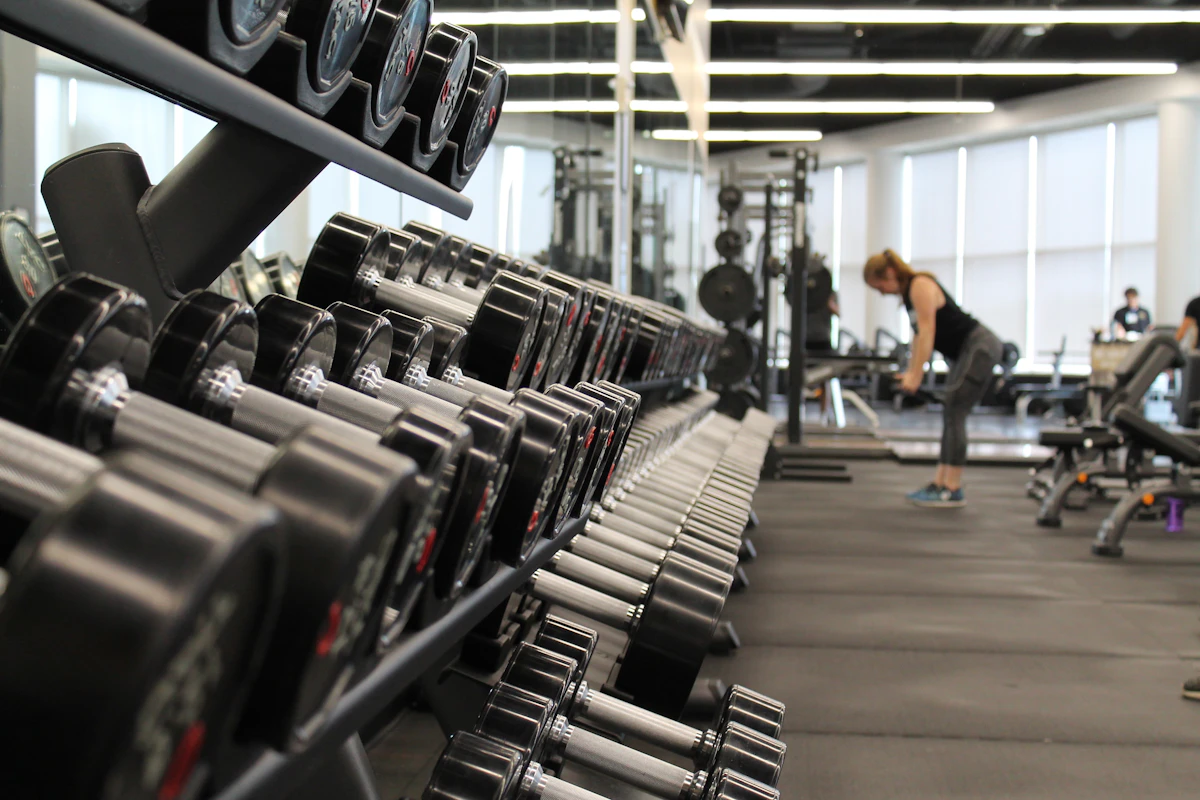
Strength training is one of the most important parts of body recomposition. It gives your muscles the stimulus they need to become stronger and potentially grow.
You do not need to lift extremely heavy weights to get results. What matters is selecting an appropriate resistance, maintaining good technique, and gradually increasing the challenge.
Best Exercises for Body Recomposition
- Squats: Develop the quadriceps, glutes, and other lower-body muscles.
- Hip thrusts: Target the glute muscles.
- Romanian deadlifts: Strengthen the hamstrings and glutes.
- Rows: Develop the upper back and improve pulling strength.
- Chest presses: Train the chest, shoulders, and triceps.
- Shoulder presses: Develop shoulder strength.
- Planks: Improve core strength and stability.
How Many Repetitions Should You Perform?
There is no single perfect repetition range for muscle growth. Many effective programs use approximately 6–15 repetitions per set, although lighter or heavier ranges can also work.
Choose a weight that challenges your muscles while allowing you to maintain proper technique. Most working sets can finish with around 1–3 good repetitions still possible.
Progressive Overload
Progressive overload means gradually increasing the demands placed on your muscles as your strength improves.
- Increase the weight when you can comfortably complete your target repetitions.
- Add one or two repetitions over time.
- Improve your exercise technique and control.
- Increase training volume gradually when needed.
4. A Practical Weekly Workout Plan
A balanced training routine should target all major muscle groups while allowing enough recovery between sessions.
| Day | Workout | Main Focus |
|---|---|---|
| Monday | Lower Body | Glutes and legs |
| Tuesday | Upper Body | Back, chest and arms |
| Wednesday | Active Recovery | Walking and mobility |
| Thursday | Lower Body | Legs and glutes |
| Friday | Upper Body | Shoulders, back and chest |
| Saturday | Light Activity | Walking or cycling |
| Sunday | Rest | Recovery |
Beginners can start with two or three strength sessions per week and gradually increase training frequency as their fitness improves.
5. Protein Intake: The Foundation of Muscle Growth
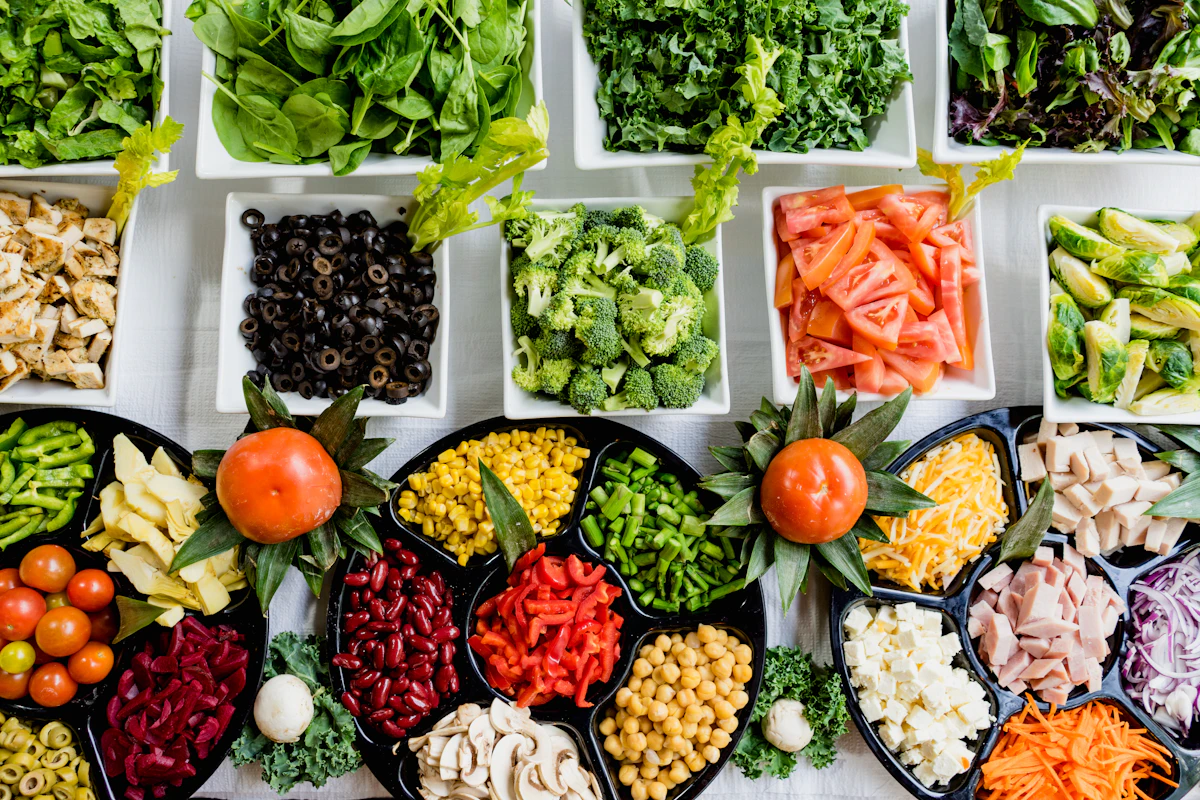
Protein provides amino acids that your body uses to repair and build muscle tissue. Getting enough protein is especially important when combining resistance training with fat loss.
How Much Protein Do Women Need?
For women who regularly perform resistance training, approximately 1.6–2.2 grams of protein per kilogram of body weight per day is a useful target range.
For example, a woman weighing 65 kg may aim for approximately 104–143 grams of protein per day, depending on her individual needs.
Affordable High-Protein Foods
- Eggs: A convenient source of complete protein.
- Chicken: Provides high-quality protein.
- Fish and tuna: Contain protein and other valuable nutrients.
- Greek yogurt: Provides protein and calcium.
- Milk: Offers protein, calcium, and other nutrients.
- Lentils and beans: Affordable plant-based protein sources.
- Chickpeas: Provide protein, carbohydrates, and fiber.
Distribute Protein Throughout the Day
Rather than consuming most of your protein in one meal, try to distribute it across three to five meals or snacks.
A practical target is approximately 0.3–0.4 grams of protein per kilogram of body weight at each main meal.
6. Eat a Balanced Diet for Better Results
Protein is important, but carbohydrates and healthy fats are also essential for an effective body recomposition plan.
Carbohydrates
Carbohydrates provide energy for training and everyday activities. Good options include:
- Oats and whole grains.
- Rice and potatoes.
- Whole-grain bread.
- Fruit and vegetables.
Healthy Fats
Dietary fats support normal hormone production, help absorb fat-soluble vitamins, and contribute to overall health.
- Olive oil.
- Almonds and walnuts.
- Avocados.
- Seeds and oily fish.
Vegetables and Fruits
Vegetables and fruits provide fiber, vitamins, minerals, and antioxidants. Include different colors and varieties in your daily meals.
7. Cardio and Walking: Do You Need Them?
Cardio can support cardiovascular health, improve fitness, and increase daily energy expenditure. However, it should complement your strength training rather than replace it.
Useful activities include:
- Brisk walking.
- Cycling.
- Swimming.
- Jogging, if appropriate for your fitness level.
- Low-impact aerobic exercise.
For general health, adults are encouraged to aim for 150–300 minutes of moderate-intensity aerobic activity per week, alongside muscle-strengthening activities on at least two days.
You can build up gradually. There is no need to force yourself into excessive cardio or a fixed daily step target.
8. Sleep and Muscle Recovery
Your muscles do not grow simply because you exercise. Recovery is an essential part of the process.
During recovery, your body repairs the muscle tissue stressed during training and adapts to future exercise demands.
How to Improve Recovery
- Aim for approximately 7–9 hours of sleep each night.
- Allow trained muscle groups adequate recovery.
- Eat enough calories and protein.
- Stay hydrated throughout the day.
- Avoid increasing training intensity too quickly.
9. How to Track Body Recomposition Progress
One of the biggest mistakes women make is judging their progress only by their body weight.
When you build muscle and lose fat simultaneously, the scale may change slowly or remain relatively stable. That does not necessarily mean your plan is failing.
1. Progress Photos
Take front, side, and back photos every two to four weeks. Use similar lighting, clothing, posture, and camera angles for meaningful comparisons.
2. Body Measurements
Measure your waist, hips, thighs, and other areas you want to track. Take measurements under similar conditions each time.
3. Strength Improvements
Record your exercises, weights, and repetitions. Being able to lift more weight or complete more repetitions with good technique is a useful sign of improved strength.
4. Clothing Fit
Notice how your clothes fit around your waist, hips, and legs. Changes in clothing fit can provide additional information about body composition.
10. Common Body Recomposition Mistakes
- Eating too little: Severe calorie restriction can make muscle development and recovery more difficult.
- Skipping strength training: Cardio alone does not provide the same muscle-building stimulus as resistance training.
- Not eating enough protein: Low protein intake can make it harder to preserve and build muscle.
- Changing workout programs too frequently: Give your training program enough time to produce measurable improvements.
- Ignoring recovery: More exercise is not always better.
- Expecting instant results: Meaningful changes in body composition take time and consistency.
- Focusing only on the scale: Weight is just one measure of progress.
11. How Long Does Body Recomposition Take?
Body recomposition is a gradual process. Some women notice improvements in strength and exercise performance within a few weeks, while visible body composition changes may take several months.
Your results depend on several factors:
- Your starting body composition.
- Your previous exercise experience.
- Your training consistency.
- Your calorie and protein intake.
- Your sleep and recovery.
- Your individual genetics and health.
Instead of looking for dramatic changes in a few days, focus on building habits that you can maintain over the long term.
12. Frequently Asked Questions (FAQ)
Can women lose fat and build muscle at the same time?
Yes. Body recomposition is possible, particularly for beginners, people returning to resistance training, and women with higher body fat levels. It requires consistent strength training, sufficient protein, and appropriate calorie intake.
Will lifting weights make women bulky?
Strength training does not automatically make women bulky. Muscle development takes time and depends on training, nutrition, genetics, and individual goals. Resistance training can help create a stronger and more defined physique.
Should I lose fat before building muscle?
Not necessarily. Many women can work toward both goals simultaneously. Your best approach depends on your starting point, health, training experience, and personal preferences.
Is cardio necessary for body recomposition?
No specific cardio routine is required for body recomposition. However, walking, cycling, and other aerobic activities support cardiovascular health and can complement resistance training.
How many days per week should women train?
Two to four strength training sessions per week can be effective. The ideal frequency depends on your experience, schedule, recovery, and training program.
Can I build muscle without protein supplements?
Yes. You can obtain all the protein you need from ordinary foods such as eggs, chicken, fish, dairy products, lentils, and beans. Protein supplements are optional.
Why is my weight not changing even though I look leaner?
Your body may be losing fat while building or maintaining muscle. Because these changes can happen simultaneously, your body weight may remain relatively stable even when your measurements and appearance improve.
Final Thoughts: Build a Stronger, Healthier Body
Body recomposition offers women a practical approach to improving their physique without making weight loss the only measure of success.
By combining progressive strength training, adequate protein, balanced nutrition, regular movement, and sufficient recovery, you can gradually build muscle, reduce body fat, and improve your overall fitness.
Remember that every woman's journey is different. Focus on consistency, celebrate improvements in strength, and give your body enough time to adapt.
Start with a realistic workout schedule, include protein-rich foods in your meals, and track your progress over the next several weeks. Small, sustainable habits can create meaningful long-term changes.



0 Comments