
The Best Way to Do the T-Bar Row: Complete Guide for Women

Want to build a stronger, more defined back? The T-bar row is an effective compound pulling exercise that trains your lats, traps, rhomboids, rear shoulders, and arms.
Learn how to perform the movement correctly, explore three popular variations, discover expert technique tips, and find sample workouts to add to your fitness routine.
Focus: Back Strength · Muscle Building · Upper Body Training
The T-bar row is a popular exercise for developing upper-body pulling strength. It allows you to train several back muscles together while using a stable pulling path and different grip options.
However, not all T-bar rows are performed in exactly the same way. Some machines support your chest, while others require you to hold a bent-over position throughout the set. You can also perform a similar movement with a barbell and a landmine attachment.
In this guide, we will explain the three main T-bar row variations, how to perform each one, which muscles they work, and how to include them in a balanced workout.
Table of Contents
1. What Is the T-Bar Row?
The T-bar row is a compound back exercise in which you pull a weighted bar or machine handle toward your torso. Depending on the equipment, you may perform the movement while standing in a bent-over position or with your chest supported against a pad.
It primarily trains the latissimus dorsi, trapezius, rhomboids, and other muscles of the middle and upper back. Your biceps, rear deltoids, and forearms also assist with the movement.
One reason the exercise is popular is that it offers several grip and equipment options, allowing you to adjust the movement to your training preferences.
2. Benefits of the T-Bar Row
Build a Stronger Back
The T-bar row trains several major back muscles at the same time. With consistent training and progressive resistance, it can help develop back strength and muscle size.
Train Multiple Muscle Groups
Although the back performs most of the pulling work, the biceps, forearms, and rear shoulders contribute to every repetition. Standing versions also require your core and lower-back muscles to stabilize your torso.
Improve Pulling Strength
Developing stronger pulling muscles can support other gym exercises, including lat pulldowns, pull-ups, deadlifts, and different rowing movements.
Choose a Supported or Unsupported Position
Chest-supported machines allow you to rest your torso against a pad. Standing and landmine versions require more stabilization. This gives you options depending on the equipment available and your training preferences.
Make Progressive Overload Practical
You can gradually increase the weight, repetitions, or training volume as your strength improves. Many T-bar machines use standard weight plates, making small weight increases possible.
3. What Muscles Does the T-Bar Row Work?
The T-bar row primarily targets the muscles responsible for pulling your arms backward and controlling your shoulder blades.
- Latissimus dorsi (lats): Large muscles on the sides of your back that contribute to pulling your arms toward your body.
- Trapezius (traps): Muscles across the upper and middle back that help control the shoulder blades.
- Rhomboids: Muscles between the shoulder blades that assist with scapular retraction.
- Teres major and minor: Muscles that contribute to shoulder movement and upper-back function.
- Posterior deltoids: The rear portion of the shoulder muscles.
- Biceps and brachialis: Arm muscles that assist with elbow flexion.
- Brachioradialis and forearms: Help maintain your grip on the handles.
During unsupported and landmine versions, the spinal erectors and core muscles also work to maintain a stable torso.
4. Chest-Supported T-Bar Row
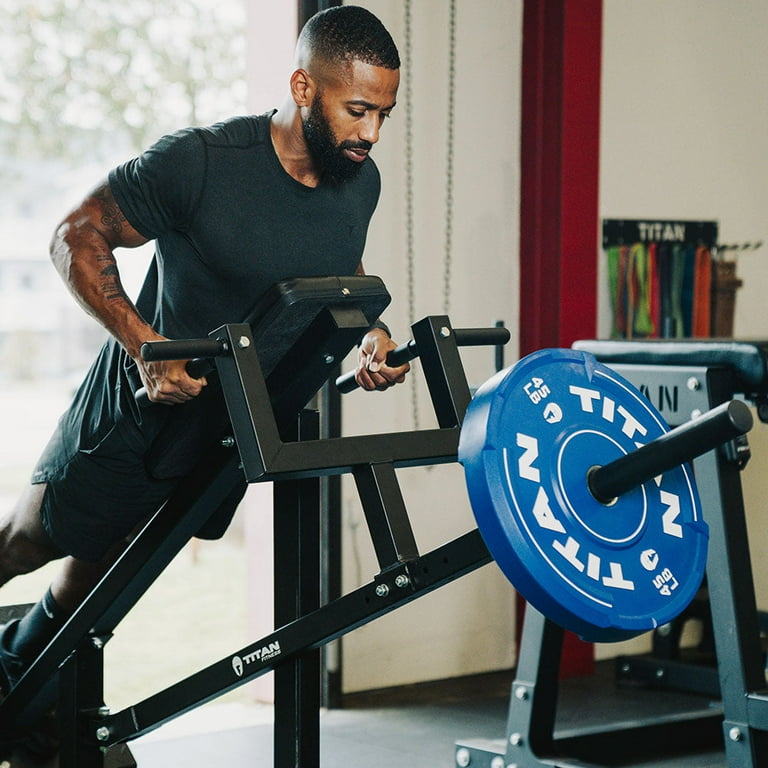
The chest-supported T-bar row is a popular option because the pad supports your upper body throughout the exercise. This reduces the need to hold a bent-over position and allows you to focus on the pulling movement.
How to Do the Chest-Supported T-Bar Row
- Adjust the foot platform or chest pad so your body is positioned comfortably against the machine.
- Place your chest firmly against the pad and plant your feet securely.
- Grab the handles using a comfortable grip.
- Allow your arms to extend forward while your shoulder blades move naturally forward.
- Pull the handles toward your chest by bending your elbows and drawing your shoulder blades backward.
- Pause briefly at the top without lifting your chest off the pad.
- Slowly extend your arms and return to the starting position.
Why Choose This Variation?
- Provides support for your torso.
- Reduces the need for continuous lower-back stabilization.
- Makes it easier to focus on the back muscles.
- Allows a controlled range of motion.
5. Standing T-Bar Row

The standing T-bar row is performed without chest support. You hold your torso in a hinged position while pulling the weight toward your body.
How to Do the Standing T-Bar Row
- Load the T-bar machine with an appropriate amount of weight.
- Stand on the foot platform with the bar positioned between your legs.
- Bend your knees slightly and push your hips backward.
- Lean your torso forward to a comfortable angle, approximately 30–45 degrees relative to the floor.
- Grab the handles with a comfortable grip, often a neutral grip with your palms facing each other.
- Brace your core and maintain a neutral spine.
- Pull the handles toward your torso by driving your elbows backward.
- Pause briefly at the top, then lower the weight under control.
Why Choose This Variation?
- Trains the back with a free-standing body position.
- Requires your core and spinal erectors to stabilize your torso.
- Provides a different setup from chest-supported rowing.
6. Landmine T-Bar Row
The landmine T-bar row is a useful alternative when your gym does not have a dedicated T-bar row machine. It uses a barbell secured at one end, with a handle attached near the loaded plates.
How to Do the Landmine T-Bar Row
- Secure one end of a barbell in a proper landmine attachment.
- Load the opposite end with weight plates.
- Place a suitable close-grip handle around the bar near the plates.
- Stand over the bar and hold the handle with a neutral grip.
- Bend your knees slightly and hinge forward at the hips.
- Brace your core and maintain a neutral spine.
- Pull the handle toward your lower chest or upper abdomen.
- Pause briefly, then lower the weight under control until your arms extend.
Why Choose This Variation?
- Can be performed without a dedicated T-bar machine.
- Uses a neutral grip that many people find comfortable.
- Offers a different pulling angle from conventional barbell rows.
- Can be useful in a home or commercial gym with suitable equipment.
7. Expert Tips for Better T-Bar Row Form
Allow Your Shoulder Blades to Move Naturally
At the bottom of the repetition, allow your shoulder blades to move forward naturally as your arms extend. During the pull, draw them backward as your elbows travel behind your torso. Avoid forcing an exaggerated stretch or squeezing beyond a comfortable range.
Keep Your Chest Supported
When using a chest-supported machine, keep your chest against the pad. Avoid lifting your torso, sliding on the pad, or swinging your hips to move heavier weights.
Keep Your Elbows Close When Emphasizing the Lats
Pulling with your elbows closer to your sides can help emphasize the lats. A wider elbow position may place more emphasis on the upper back and rear shoulders. Both approaches can be useful.
Use a Comfortable Grip
Choose a handle width that allows you to move naturally without uncomfortable wrist or shoulder positions. A neutral grip is a common choice for T-bar rows.
Consider Lifting Straps When Grip Is the Limiting Factor
If your grip consistently fails before your back muscles, lifting straps may help you hold the handles. They are optional, and beginners should first develop basic grip strength and technique.
8. Common T-Bar Row Mistakes to Avoid
1. Using Excessive Weight
Too much resistance can cause you to swing, shorten the movement, or lose your position. Start with a weight you can control.
2. Lifting Your Chest Off the Pad
On chest-supported machines, lifting your chest to complete a repetition defeats the purpose of the support. Keep your torso in contact with the pad.
3. Rounding Your Lower Back
Maintain a neutral spinal position during standing and landmine variations. Reduce the load if you cannot hold your position comfortably.
4. Shrugging Your Shoulders
Avoid pulling your shoulders excessively toward your ears. Keep the movement controlled and focus on moving your elbows backward.
5. Using a Very Wide Grip Without a Reason
A very wide grip can change your shoulder and elbow position. Choose a grip that suits your body and allows a comfortable, controlled range of motion.
6. Rushing the Repetitions
Do not bounce the weight or let it drop. Control the lowering phase and maintain consistent technique.
9. How to Program the T-Bar Row
The T-bar row can fit into a back workout, pull workout, or upper-body training session. Its position in the workout depends on your goals and the other exercises you perform.
If building back strength is a priority, you can perform it relatively early in the session while you are fresh. If you are using a lighter machine variation, it can also work later in your workout.
Recommended Starting Sets and Repetitions
| Training Goal | Sets | Repetitions | Rest |
|---|---|---|---|
| Strength | 3–4 | 5–8 | 2–3 min |
| Muscle Building | 3 | 8–12 | 1–3 min |
| Muscular Endurance | 2–3 | 12–15 | 1–2 min |
A practical starting point for many people is 3 sets of 8–12 repetitions. Finish each set with approximately 1–3 good repetitions still possible rather than forcing poor-quality repetitions.
10. Best Alternatives to the T-Bar Row
If your gym does not have a T-bar row machine, or you want to add variety to your back training, consider these alternatives.
Seated Machine Row
A seated machine row provides a guided pulling movement and may include chest support. It is a useful option when you want to train your back without maintaining a bent-over position.
One-Arm Dumbbell Row
This exercise trains each side independently and allows you to use a bench for support. It is useful for identifying differences in strength between your left and right sides.
Seated Cable Row
The cable row provides adjustable resistance and a consistent pulling path. Different attachments allow you to change your grip and hand position.
Chest-Supported Dumbbell Row
This variation supports your torso on an incline bench, reducing the need to stabilize a bent-over position while you row.
Barbell Seal Row
The seal row is performed lying face down on an elevated bench. It reduces the need to hold your torso in a hip hinge and allows you to focus on the pulling movement.
Meadows Row
The Meadows row is a single-arm landmine variation. It offers a different pulling angle and allows you to train one side of your back at a time.
Barbell Bent-Over Row
The conventional bent-over row is another option when you have a barbell but no T-bar machine. It requires you to maintain a stable hip-hinge position throughout the set.
11. Three T-Bar Row Workouts
Here are three sample training sessions showing how you can include the chest-supported T-bar row in different routines. Choose the workout that best fits your weekly training plan rather than doing all three in one day.
Workout 1: Back Day
| Exercise | Sets | Reps | Rest |
|---|---|---|---|
| Chest-Supported T-Bar Row | 3 | 8–10 | 2–3 min |
| Lat Pulldown | 3 | 8–12 | 2 min |
| Machine Rear Delt Fly | 3 | 12–15 | 1–2 min |
| Barbell Shrug | 2 | 10–12 | 1–2 min |
Workout 2: Pull Day
| Exercise | Sets | Reps | Rest |
|---|---|---|---|
| Deadlift | 3 | 4–6 | 2–3 min |
| Chest-Supported T-Bar Row | 3 | 8–10 | 2–3 min |
| Lat Pulldown | 3 | 8–12 | 2 min |
| Machine Rear Delt Fly | 3 | 12–15 | 1–2 min |
| Barbell Curl | 2 | 10–12 | 1–2 min |
Workout 3: Upper-Body Day
| Exercise | Sets | Reps | Rest |
|---|---|---|---|
| Barbell Bench Press | 3 | 6–8 | 2–3 min |
| Chest-Supported T-Bar Row | 3 | 8–10 | 2–3 min |
| Incline Dumbbell Press | 3 | 8–12 | 2 min |
| Lat Pulldown | 3 | 8–12 | 2 min |
| Machine Rear Delt Fly | 2 | 12–15 | 1–2 min |
| Cable Biceps Curl | 2 | 10–12 | 1–2 min |
12. How to Progress With the T-Bar Row
Progressive overload means gradually increasing the challenge placed on your muscles over time. You can use a simple double-progression approach.
- Choose a repetition range: For example, 8–12 repetitions.
- Start with a manageable weight: Use a load that allows you to perform every repetition with good technique.
- Build your repetitions: Gradually increase the number of repetitions while keeping the same weight.
- Increase resistance: When you can complete the top of your repetition range with good form, add a small amount of weight.
- Repeat the process: Work back up through the repetition range with the new weight.
Record your weights, repetitions, and sets in a workout log. This makes it easier to see whether your strength is improving.
13. Frequently Asked Questions
1. Is the T-bar row good for building back muscles?
Yes. It is a compound pulling exercise that trains the lats, traps, rhomboids, rear deltoids, and arm muscles. It can be an effective part of a muscle-building program.
2. Which T-bar row variation is best?
The chest-supported version is a useful choice for people who want torso support. The standing and landmine versions are also effective when performed with good technique. The best option depends on your equipment, comfort, and training goals.
3. Is the T-bar row suitable for women?
Absolutely. Women can use T-bar rows to develop back strength and muscle. The exercise should be performed with resistance appropriate to their experience and ability.
4. Does the chest-supported T-bar row work the lower back?
The chest pad supports the torso, so the lower-back muscles generally have less stabilization work to do than during unsupported rowing. The main emphasis remains on the back and arm muscles.
5. How many sets of T-bar rows should I do?
Three working sets of 8–12 repetitions are a practical starting point for many people. Your ideal training volume depends on your experience and the rest of your workout.
6. Should I use a wide or narrow grip?
A comfortable shoulder-width or slightly narrower grip is a useful starting point for many people. Different grips can change your arm and elbow position, so choose one that allows controlled movement without discomfort.
7. Can I do T-bar rows without a T-bar machine?
Yes. You can perform a landmine row using a barbell secured in a landmine attachment and a suitable handle. A conventional barbell row or dumbbell row is another alternative.
8. How long should I rest between T-bar row sets?
Rest for approximately 2–3 minutes after challenging sets. You may need less rest with lighter loads, or more time if you need it to recover and maintain good technique.
9. Can T-bar rows improve posture?
They strengthen muscles involved in upper-back and shoulder-blade movement. They can support a balanced strength routine, but posture also depends on mobility, daily habits, and other factors.
Final Thoughts
The T-bar row is a valuable exercise for building a stronger back and improving upper-body pulling strength. Its three main variations—chest-supported, standing, and landmine—offer different ways to train the same general movement pattern.
If you are learning the exercise, start with a manageable weight and focus on controlled repetitions. The chest-supported version can be a practical starting point because it supports your torso, while standing and landmine variations provide additional challenges for body stabilization.
You do not need to lift the heaviest weight in the gym to make progress. Focus on proper technique, consistent training, gradual progression, and enough recovery.
Strong training starts with good technique. Keep practicing, stay consistent, and give your body time to improve.
Disclaimer: This article is for educational purposes only and is not a substitute for personalized medical or exercise advice. If you have back, shoulder, or other joint pain, consult a qualified healthcare professional before starting or changing your training routine. Stop any exercise that causes sharp or unusual pain.



0 Comments