
Hormonal Imbalance in Women: Causes, Symptoms, Diet and Exercise
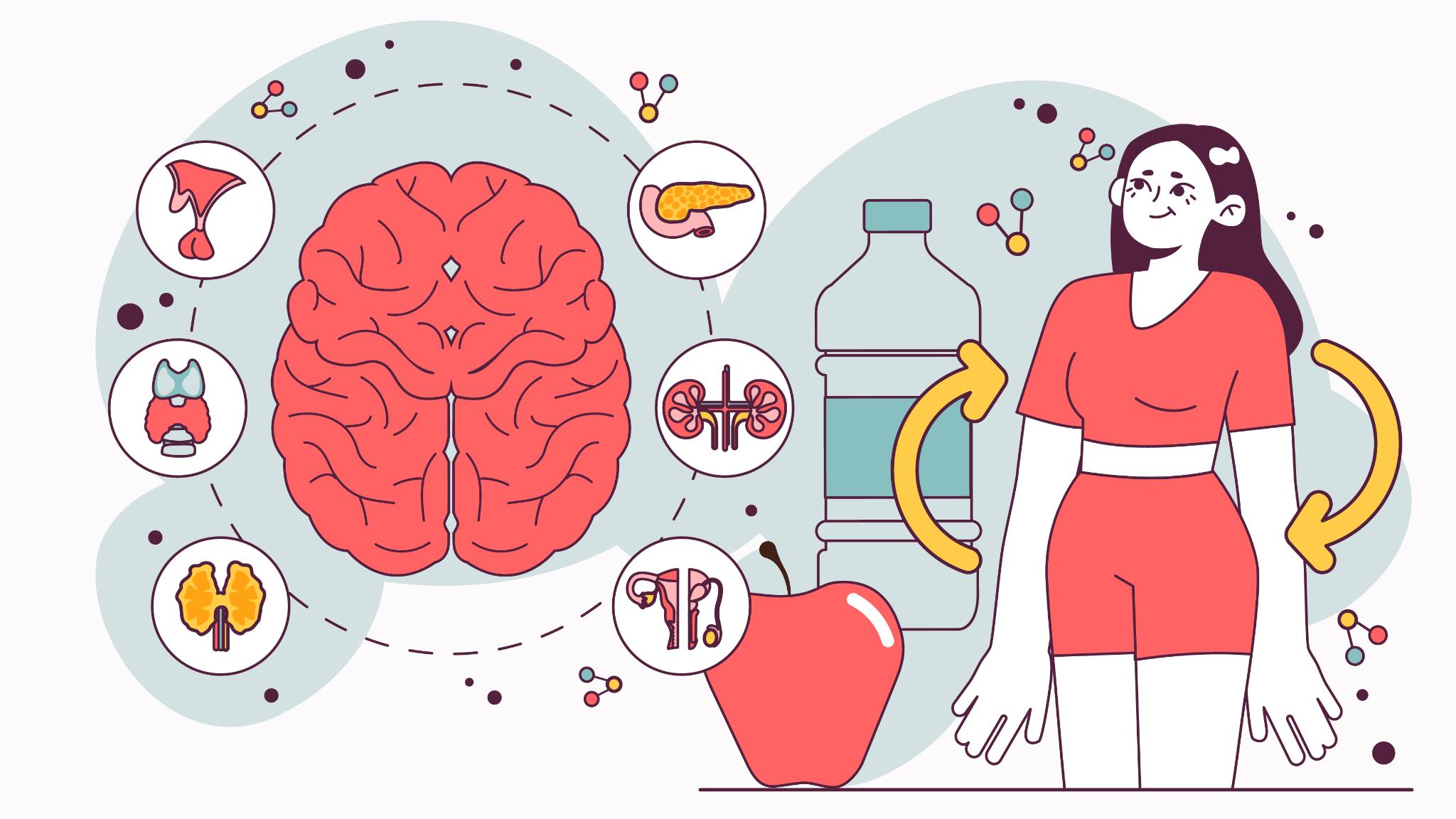
Hormones play an essential role in women's health. They influence metabolism, energy levels, mood, menstrual cycles, sleep, appetite and muscle development.
When hormone levels become too high or too low, women may experience changes in their bodies that affect their everyday lives. Understanding these changes can help women make informed decisions about nutrition, physical activity and medical care.
In this comprehensive guide, we will explore the main causes and symptoms of hormonal imbalance, how hormones affect weight and muscle growth, the best foods for hormonal health, and how exercise can support overall well-being.
Table of Contents
- Understanding Hormonal Imbalance in Women
- Common Causes of Hormonal Imbalance
- Signs and Symptoms to Recognize
- How Hormones Affect Weight and Muscle Growth
- Best Foods for Women's Hormonal Health
- Exercise and Hormonal Health
- Healthy Lifestyle Habits
- When Should You See a Doctor?
- Frequently Asked Questions
1. Understanding Hormonal Imbalance in Women
A hormonal imbalance occurs when the body produces too much or too little of one or more hormones. Hormones are chemical messengers produced by endocrine glands that regulate many important biological processes.
Some of the most important hormones involved in women's health include:
Estrogen
Estrogen is one of the primary female sex hormones. It plays an important role in menstrual cycle regulation, reproductive health, bone strength and several metabolic processes.
Progesterone
Progesterone helps regulate the menstrual cycle and prepares the uterus for a possible pregnancy. Its levels naturally change throughout the menstrual cycle.
Testosterone
Although commonly associated with men, women also produce testosterone in smaller amounts. It contributes to sexual health, muscle function, bone health and overall well-being.
Insulin
Insulin helps regulate blood glucose levels by allowing cells to absorb glucose from the bloodstream. Reduced insulin sensitivity can affect metabolic health and is commonly associated with conditions such as polycystic ovary syndrome (PCOS).
Thyroid Hormones
Thyroid hormones help regulate metabolism, body temperature, heart rate and energy use. An underactive or overactive thyroid can cause noticeable changes in weight and energy levels.
2. Common Causes of Hormonal Imbalance
Hormonal changes can occur for several reasons. Some are related to natural stages of life, while others may be associated with medical conditions or lifestyle factors.
1. Polycystic Ovary Syndrome (PCOS)
PCOS is a common hormonal and metabolic condition that can affect women during their reproductive years.
It may be associated with:
- Irregular or absent menstrual periods.
- Higher androgen levels.
- Acne and oily skin.
- Excess facial or body hair.
- Insulin resistance in some women.
- Difficulty becoming pregnant.
PCOS does not affect every woman in the same way. Proper medical assessment is important for diagnosis and management.
2. Thyroid Disorders
The thyroid gland produces hormones that influence metabolism. Hypothyroidism occurs when the thyroid does not produce enough hormones, while hyperthyroidism occurs when it produces too much.
These conditions may cause changes in body weight, heart rate, energy, temperature sensitivity and menstrual patterns.
3. Chronic Stress
Long-term stress can influence the body's stress-response system and cortisol levels. It may also affect sleep, appetite, recovery and general well-being.
4. Poor Nutrition and Extreme Dieting
Eating too little, following restrictive diets or not getting enough essential nutrients can affect reproductive function and hormonal health.
Women who exercise regularly need sufficient energy and nutrients to support their training and recovery.
5. Pregnancy, Perimenopause and Menopause
Hormone levels naturally change during pregnancy, after childbirth and throughout the transition to menopause.
These changes may affect menstrual cycles, sleep, body temperature, mood and body composition.
3. Signs and Symptoms of Hormonal Imbalance
Symptoms vary depending on the hormone involved and the underlying condition. Having one or more symptoms does not automatically mean that a woman has a hormonal disorder.
Common Symptoms Include:
- Irregular menstrual cycles.
- Unexplained weight changes.
- Persistent fatigue or low energy.
- Acne or changes in skin condition.
- Hair thinning or unusual hair growth.
- Sleep disturbances.
- Mood changes or irritability.
- Changes in sexual desire.
- Difficulty becoming pregnant.
- Hot flashes or night sweats.
4. How Hormones Affect Weight and Muscle Growth
Hormones influence several processes related to body composition, including appetite, energy use, glucose regulation and muscle recovery.
Hormones and Body Fat
Estrogen, insulin, thyroid hormones and other hormonal signals can influence how the body regulates energy and stores fat.
For example, insulin resistance may make blood glucose regulation more difficult. It is frequently associated with PCOS, although not every woman with PCOS has the same metabolic characteristics.
It is important to understand that no single hormone determines where a woman stores body fat. Genetics, age, nutrition, sleep, physical activity and overall health also matter.
Hormones and Muscle Development
Muscle growth depends on several factors, including progressive resistance training, sufficient protein intake, adequate calories and recovery.
Estrogen may influence muscle repair and other aspects of exercise physiology. Testosterone also contributes to muscle function, although women naturally have lower circulating levels than men.
Healthy hormone function can support normal muscle development, but there is no single hormone or food that guarantees muscle growth.
5. Best Foods for Women's Hormonal Health
A balanced diet provides the nutrients required for normal hormone production, metabolism and general health. There is no specific food that can cure hormonal imbalance, but healthy eating habits can support metabolic and reproductive health.
1. Healthy Fats
Dietary fats provide energy and help the body absorb fat-soluble vitamins.
Good options include:
- Avocados.
- Olive oil.
- Almonds and walnuts.
- Chia and flaxseeds.
- Fatty fish such as salmon and sardines.
2. Protein-Rich Foods
Protein provides amino acids needed for muscle repair, tissue maintenance and many important biological functions.
- Eggs.
- Chicken breast.
- Fish and tuna.
- Greek yogurt.
- Lentils and beans.
- Milk and other dairy products.
3. Fiber-Rich Foods
Fiber supports digestive health, helps regulate blood glucose and contributes to a healthy dietary pattern.
- Broccoli.
- Spinach.
- Oats.
- Apples and berries.
- Beans and lentils.
- Whole grains.
4. Foods Rich in Essential Minerals
Several minerals are important for normal body functions.
- Magnesium: Found in nuts, seeds, legumes and leafy green vegetables.
- Zinc: Found in seafood, meat, dairy products and legumes.
- Iron: Found in meat, lentils, beans and leafy vegetables.
- Iodine: Found in seafood, dairy products and iodized salt.
- Selenium: Found in fish, eggs, meat and some nuts.
5. Fruits and Vegetables
Colorful fruits and vegetables provide vitamins, minerals, fiber and beneficial plant compounds.
Try including oranges, berries, apples, carrots, tomatoes, broccoli and spinach in your daily meals.
6. Exercise and Hormonal Health
Regular physical activity supports metabolic health, cardiovascular fitness, bone strength, sleep quality and psychological well-being.

1. Strength Training
Resistance training helps women build and maintain muscle, improve physical strength and support bone health.
Examples include:
- Squats.
- Lunges.
- Hip thrusts.
- Push-ups.
- Dumbbell rows.
- Shoulder presses.
Beginners can start with two sessions per week and gradually increase training volume as their strength improves.
2. Cardiovascular Exercise
Walking, cycling, swimming and jogging can improve cardiovascular fitness and support metabolic health.
Adults should generally aim for at least 150 minutes of moderate-intensity aerobic activity per week, alongside muscle-strengthening activities on at least two days.
3. Yoga and Stretching
Yoga and gentle stretching can improve flexibility, mobility and relaxation. They may also help some women manage stress and improve their sense of well-being.
4. Avoid Excessive Training
Exercise is beneficial, but excessive training combined with insufficient food intake and inadequate recovery can negatively affect menstrual function and overall health.
Rest days, adequate calories and good nutrition are important parts of an effective fitness program.
7. Healthy Lifestyle Habits That Support Hormonal Health
Healthy daily habits can support the body's normal hormonal and metabolic functions.
Prioritize Quality Sleep
Aim for approximately 7–9 hours of sleep each night. Consistent sleep schedules can support energy, appetite regulation and recovery.
Manage Daily Stress
Try walking outdoors, breathing exercises, meditation or enjoyable activities to manage everyday stress.
Eat Enough Food
Avoid extreme calorie restriction. Your body needs adequate energy to support normal physiological functions, exercise performance and recovery.
Stay Physically Active
Combine strength training, cardiovascular exercise and everyday movement in a routine that you can maintain.
Maintain Consistency
Healthy habits work best when practiced consistently. Avoid expecting overnight changes in body composition or hormonal health.
8. When Should You See a Doctor?
If you experience persistent or unusual symptoms, consult a qualified healthcare professional rather than trying to diagnose yourself.
A doctor may consider:
- Your menstrual and medical history.
- A physical examination.
- Thyroid function tests when appropriate.
- Blood glucose or metabolic testing.
- Selected reproductive hormone tests.
- Additional investigations depending on your symptoms.
Not every woman needs the same hormone tests. The right investigations depend on age, symptoms, menstrual history and medical circumstances.
9. Frequently Asked Questions
Can hormonal imbalance cause weight gain?
Some hormonal conditions, including hypothyroidism and certain metabolic disorders, can contribute to weight changes. However, weight gain has many possible causes and does not automatically indicate a hormonal problem.
Can exercise help women with hormonal imbalance?
Regular exercise can improve cardiovascular fitness, insulin sensitivity, muscle strength and overall metabolic health. It can be a useful part of managing some hormonal conditions, including PCOS.
What is the best diet for hormonal health?
A balanced diet rich in vegetables, fruits, whole grains, protein and healthy fats is a good foundation. The ideal eating pattern may differ depending on individual health needs.
Can women with PCOS build muscle?
Yes. Women with PCOS can build muscle through progressive resistance training, adequate nutrition and appropriate recovery. Exercise can also support metabolic health.
Does hormonal imbalance always cause irregular periods?
No. Some hormonal conditions can occur without noticeable menstrual changes. Symptoms depend on the specific hormone and medical condition involved.
Can food alone fix hormonal imbalance?
No. Healthy nutrition supports general health, but diagnosed hormonal conditions may require medical treatment. Food should not replace appropriate medical care.
Final Thoughts
Hormonal health is an important part of women's overall well-being. Hormones influence metabolism, reproductive function, energy levels, sleep and many other processes.
By following a balanced diet, exercising regularly, getting enough sleep and seeking medical advice when necessary, women can take positive steps toward better long-term health.
Remember that every woman's body is different. The best approach is one based on reliable medical information, individual needs and sustainable healthy habits.
Healthy body. Strong muscles. Better lifestyle.Medical References and Further Reading
For additional medically reviewed information, explore these trusted resources:
- Cleveland Clinic – Hormonal Imbalance
- World Health Organization – Polycystic Ovary Syndrome
- Office on Women's Health – PCOS
- International Society of Sports Nutrition – Nutritional Concerns of the Female Athlete
- WHO – Healthy Diet
Disclaimer: This article is intended for educational purposes only and does not replace professional medical diagnosis or treatment.



0 Comments