
The Complete Guide to Insulin Resistance in Women
Understand how insulin resistance affects female metabolism, recognize the early warning signs, and discover strategic lifestyle and nutritional shifts to restore hormonal balance.

1. The Complete Guide to Insulin Resistance in Women
Insulin is a vital hormone produced by the pancreas that acts like a key, unlocking your cells to let glucose (sugar) in from the bloodstream for energy. When you have insulin resistance, your cells stop responding properly to that key.
- The Pancreatic Overdrive: To compensate, your pancreas pumps out higher amounts of insulin to force glucose into resistant cells.
- The Fat-Storage Signal: High circulating insulin tells your body to store excess energy primarily as visceral fat around the abdomen, while blocking fat burning.
- The Female Impact: Hormonal fluctuations (such as PCOS, perimenopause, or estrogen shifts) can uniquely exacerbate insulin sensitivity in women, making traditional weight-loss advice frustratingly ineffective.

2. Signs and Symptoms of Insulin Resistance
Insulin resistance can develop silently over years before progressing to pre-diabetes or type 2 diabetes. Recognizing the subtle warning signs allows you to take corrective action early:
- Stubborn Belly Fat: Difficulty losing weight, particularly around the midsection and visceral organs, despite eating in a calorie deficit.
- Fatigue After Meals: Experiencing an energy crash, brain fog, or extreme sleepiness immediately after eating carbohydrate-dense meals.
- Constant Cravings: Frequent sugar or carbohydrate cravings driven by unstable blood glucose rollercoaster loops.
- Skin Changes: The appearance of skin tags or darkened velvety patches of skin (acanthosis nigricans) on the neck, armpits, or groin.
- Irregular Cycles: In women, high insulin levels stimulate ovarian androgen production, leading to unpredictable or absent menstrual periods.
3. Best Exercises to Improve Insulin Sensitivity
Physical activity is one of the fastest ways to clear glucose from your bloodstream without relying on heavy insulin output:
- Progressive Strength Training: Skeletal muscle acts as the primary "sponge" for glucose disposal. Lifting weights 3–4 times per week builds lean tissue that utilizes blood sugar efficiently.
- Post-Meal Walking: A brief 10 to 15-minute walk right after lunch or dinner allows contracting leg muscles to pull glucose directly out of circulation, blunting blood sugar spikes.
- Low-Impact Movement (LISS): Steady daily steps (7,000–10,000) keep your metabolic furnace burning without spiking cortisol (stress hormones), which can otherwise worsen insulin resistance.
4. Insulin Resistance Diet Plan for Women
Reversing insulin resistance requires flattening your daily blood sugar curves through strategic nutritional choices:
Foods to Prioritize
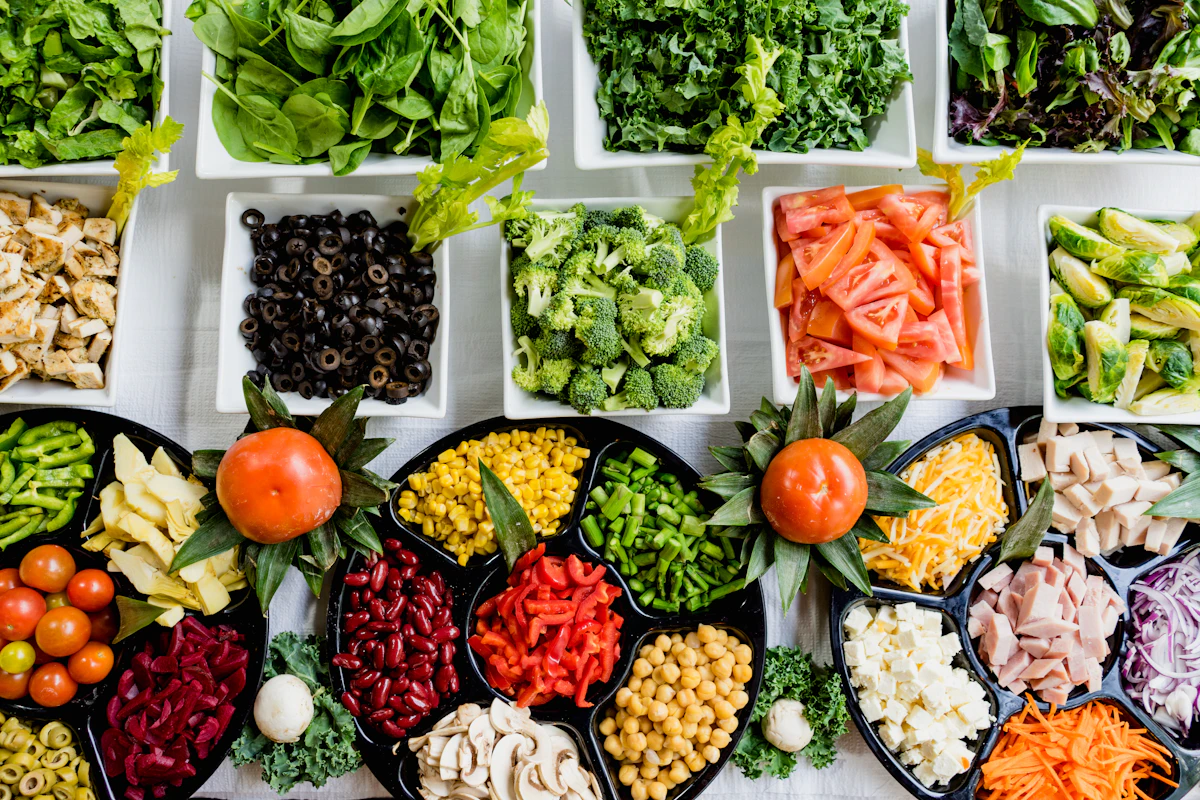
- High-Quality Protein: Chicken breast, wild-caught salmon, pasture-raised eggs, turkey, and tofu to stabilize appetite hormones.
- High-Fiber Complex Carbs: Quinoa, lentils, chickpeas, berries, and leafy greens that slow glucose absorption.
- Healthy Anti-Inflammatory Fats: Extra virgin olive oil, avocados, chia seeds, walnuts, and flaxseeds.
- The "Naked Carb" Rule: Always pair carbohydrates with a protein or healthy fat to blunt insulin spikes.
Foods to Minimize
- Refined Sugars & Sweets: Pastries, candy, sodas, and packaged desserts that trigger rapid insulin surges.
- Processed Grains: White bread, white rice, and commercial breakfast cereals.
- Sugary Beverages: Fruit juices, sweetened iced teas, and flavored coffees.
- Industrial Seed Oils: Canola, soybean, and corn oils that contribute to systemic inflammation.



0 Comments