
The Ultimate Guide to Managing PCOS in Women
A root-cause, evidence-based approach to managing Polycystic Ovary Syndrome naturally through tailored exercise, strategic nutrition, and targeted hormonal balance.

1. Understanding PCOS & Its Root Drivers
Polycystic Ovary Syndrome (PCOS) is one of the most common hormonal endocrine disorders affecting women of reproductive age. It is primarily a metabolic and hormonal imbalance rather than simply an ovarian issue.
Key Features and Symptoms:
- Irregular or Absent Cycles: Anovulation (lack of ovulation) leading to unpredictable periods.
- Hyperandrogenism: Elevated levels of "male" hormones (androgens like testosterone), causing acne, facial hair growth, and hair thinning.
- Polycystic Ovaries: Enlarged ovaries containing multiple small follicles visible on ultrasound.
The Root Drivers:
- Insulin Resistance (~70–80% of cases): High circulating insulin stimulates the ovaries to produce excess testosterone and stores energy as abdominal fat.
- Chronic Low-Grade Inflammation: Triggers androgen production and worsens insulin resistance.
- Adrenal Dysfunction & Stress: Elevated cortisol stimulates the adrenal glands to produce excess DHEA-S.

2. Best Exercises for Women with PCOS
Over-exercising or doing excessive high-intensity cardio can spike cortisol, worsening insulin resistance and fatigue. Tailor your movement using this hierarchy:
- Progressive Strength Training (3–4x / week): Increases skeletal muscle mass, acting as a "sponge" for glucose and improving insulin sensitivity. Focus on compound movements like squats, deadlifts, and presses.
- Low-Impact Steady-State (LISS) & Walking: Aim for 7,000 to 10,000 steps daily, especially a 10–15 minute walk after major meals to blunt blood sugar spikes.
- Mind-Body & Somatic Movement: Yoga and Pilates reduce sympathetic nervous system activity and lower adrenal androgen production.
- What to Limit (HIIT): Keep high-intensity interval training to no more than 1 session per week to prevent chronic cortisol elevation.
3. PCOS Diet: Foods to Eat and Avoid
Nutrition for PCOS should focus on stabilizing blood glucose, lowering inflammation, and supporting liver function.
Foods to Prioritize
- High-Quality Protein: Wild-caught fish, eggs, organic chicken, turkey, tofu, and grass-fed beef.
- High-Fiber Complex Carbs: Quinoa, sweet potatoes, lentils, chickpeas, berries, and chia seeds.
- Anti-Inflammatory Fats: Olive oil, avocados, walnuts, flaxseeds, and fatty fish.
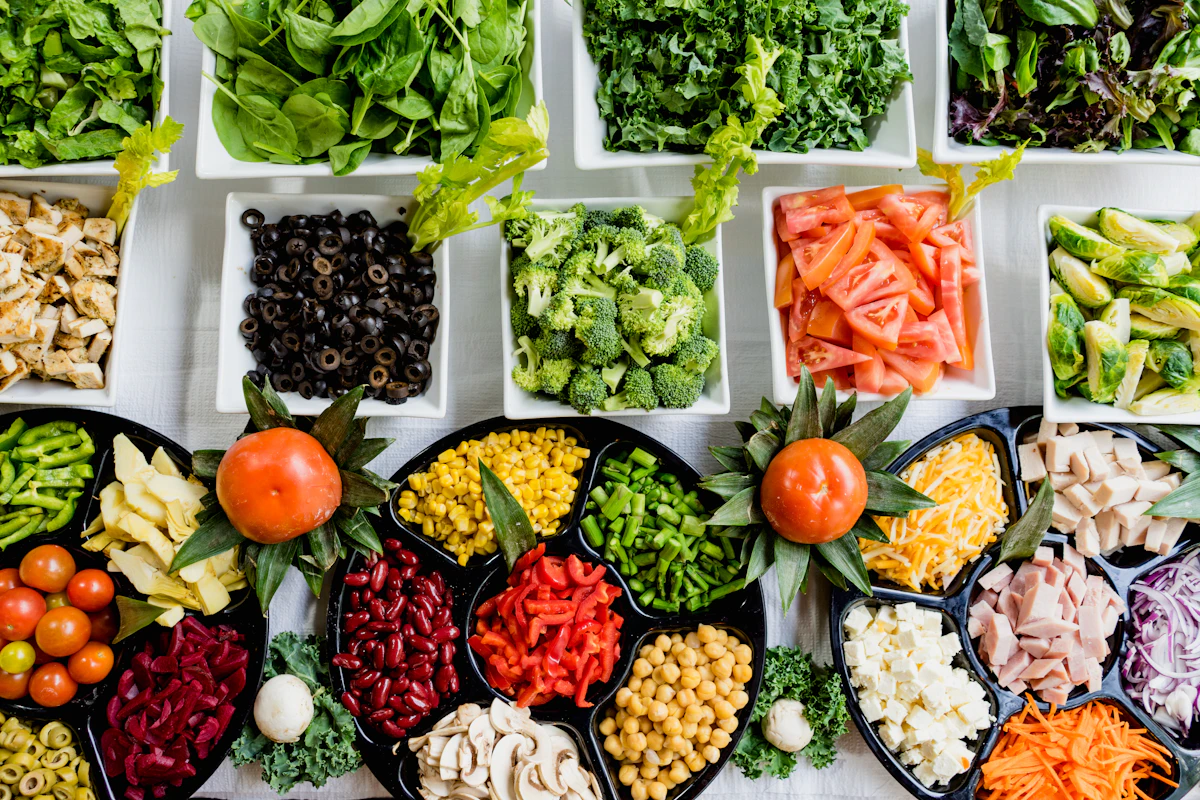
- Cruciferous Veggies: Broccoli, Brussels sprouts, kale, and cauliflower to support liver hormone clearance.
Foods to Minimize
- Refined Sugars & Grains: Pastries, white bread, soda, and candy.
- Industrial Seed Oils: Canola, soybean, corn, and sunflower oils rich in inflammatory Omega-6 fats.
- Ultra-Processed Snacks: Chips and packaged bars containing hidden sugars.
- Excessive Alcohol: Impairs liver detoxification and elevates cortisol.
| Category | Foods to Limit | Why It Negatively Affects PCOS |
|---|---|---|
| Refined Sugars & Grains | Pastries, white bread, soda, candy | Triggers rapid glucose & insulin spikes; worsens androgen production. |
| Industrial Seed Oils | Canola, soybean, corn, sunflower oils | Rich in Omega-6 fats that drive systemic inflammation. |
| Ultra-Processed Snacks | Chips, sugary cereals, packaged bars | Contains hidden additives disrupting gut health and metabolic balance. |
4. How to Lose Belly Fat with PCOS
Abdominal fat storage in PCOS is driven by hyperinsulinemia and high cortisol rather than simple calorie deficits. Implement these key strategies:
- Pair Carbs with Protein and Fat: Never eat "naked carbs." Always pair carbohydrates with a protein or healthy fat to blunt the glucose response.
- Prioritize Sleep: Fewer than 7 hours of sleep increases insulin resistance by up to 30% and triggers sugar cravings.
- Manage Stress & Cortisol: Practice daily deep diaphragmatic breathing or outdoor walks to lower visceral fat storage signals.
- Consider Evidence-Based Supplements (Consult Your Doctor): Myo-Inositol (40:1 ratio), Omega-3 fatty acids, Magnesium, Zinc, and Berberine to support glucose metabolism.



0 Comments